
Unity and Unreal Engine Corporate Training
Hands-on game development and real-time 3D training covering Unity, Unreal Engine, Godot, scripting, physics, UI, interaction, and deployment for technical, creative, and learning teams.
Who this is for
Designed for developers, technical artists, simulation teams, instructional designers, and creative professionals building games, interactive experiences, or game-based learning. Programmes can focus on Unity, Unreal Engine, or a clearly defined comparison of both.
What your team will learn
- Navigate Unity, Unreal Engine, or Godot and understand the selected engine’s project structure
- Build 2D and 3D scenes with environments, lighting, physics, cameras, and reusable assets
- Create interaction and gameplay logic using C#, Blueprint visual scripting, or GDScript
- Implement character movement, collision, input, and basic AI navigation
- Design and build UI systems including menus, HUDs, feedback, and inventory
- Structure, test, debug, and optimise a small real-time project
- Publish builds for PC, mobile, web, or VR platforms where relevant
What engine training can improve
Participants work through the connected parts of a real-time project rather than isolated features, building confidence with scene structure, interaction logic, debugging, performance, and deployment.
- A stronger shared foundation in real-time development
- Faster construction of interactive prototypes
- Better understanding of scripting and visual logic
- More reliable project structure and debugging practices
- Improved collaboration between developers and creative roles
- Clearer decisions about engine and platform requirements
Tools and platforms
Unity 3D · C# Scripting · Unity UI · NavMesh · Physics Engine · Unreal Engine 5 · Blueprint Visual Scripting · Godot · GDScript · Spine 2D · Nanite · Lumen · UMG UI Designer · Sequencer
Delivery formats
- Onsite
- Live Online
- Blended
- Multi-day Bootcamp (3-day minimum)
Enterprise experience
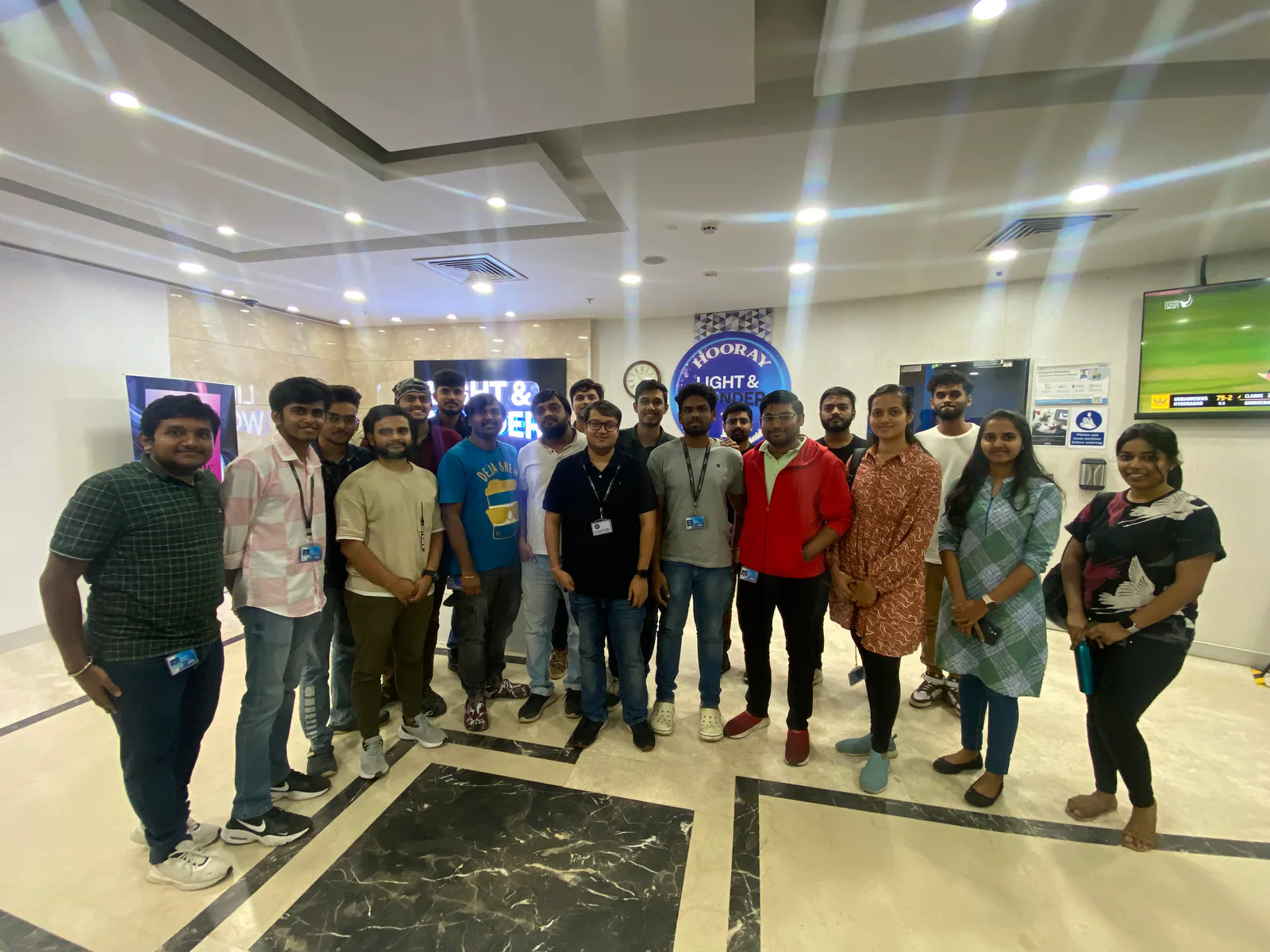
Unity and Unreal Engine programmes have been delivered for teams and learners associated with Light & Wonder, Scientific Games, Aristocrat, Airbus, PwC, Fujitsu, IN4 Group, Amity University, and others. Exercises can be aligned with games, simulations, interactive learning, or real-time visualisation.
What clients say
It was just fantastic to be mentored by Vishu. His hands-on approach to tech coaching in Unity 3D won him the respect of all. For a great instructor it's not about the content, but the way that content is delivered and linked with the audience.
Vishu has led multiple cohorts across the Immersive Technologies Bootcamp, Unity Game Engine Bootcamp, and Unreal Game Engine Bootcamp, helping hundreds of learners develop strong technical foundations.
Common questions
Can the programme focus only on Unity, Unreal Engine, or Godot?
Yes. A focused programme is usually the best option when your team has already selected an engine. Comparative workshops are also possible for teams still deciding.
Is coding experience required?
Unity scripting modules benefit from basic programming familiarity, but foundation programmes can introduce C# progressively. Unreal Engine can begin with Blueprint visual scripting.
Can this training support game-based learning projects?
Yes. Exercises can focus on branching scenarios, interactive assessments, simulations, feedback systems, and other learning-oriented mechanics.
What type of computer setup is required?
Requirements depend on the engine, project type, and target platform. Hardware and software prerequisites are confirmed before the programme.
Can participants build a small project during the course?
Yes. Multi-day programmes can use a guided project that connects scenes, interaction, UI, logic, testing, and a final build.
Can the training cover deployment to mobile or VR?
Yes, where relevant. Deployment can include PC, Android, iOS, or VR, subject to the available hardware, accounts, and programme duration.